
The MVMP Labs Blog
Documenting the journey of building digital businesses as a non-developer. Tips, tutorials, and lessons learned along the way.
177 articles
Showing 12 of 177 posts
Tutorials|1 min read|Mar 25, 2021
How To Build A No-Code Ranking Algorithm


Tutorials|1 min read|Mar 16, 2021
How To Setup Email Sequences Using Mailerlite

Tool Reviews|1 min read|Mar 14, 2021
Google Optimize: How To Optimize Your Webflow Landing Pages
Tool Reviews|1 min read|Mar 10, 2021
A Beginner's Guide To Jotform (2021 Edition)


Tool Reviews|1 min read|Mar 7, 2021
A Beginner's Guide To Google Analytics
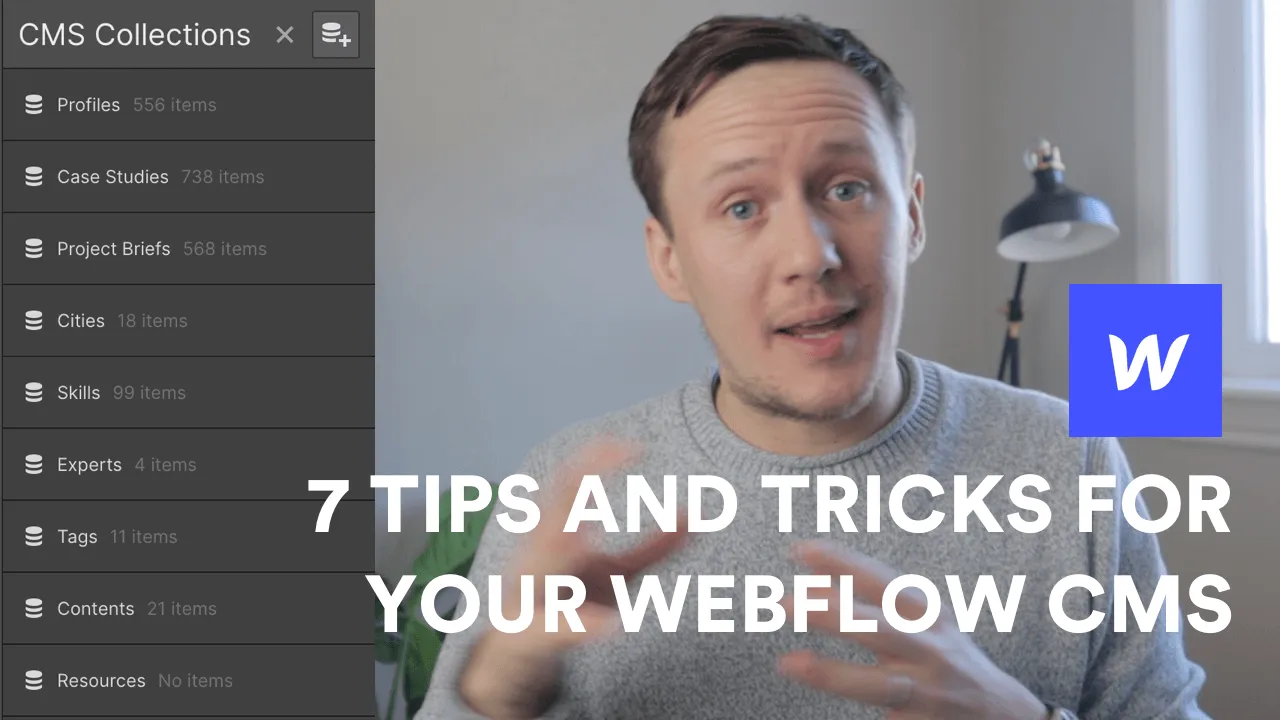
Tool Reviews|1 min read|Mar 4, 2021
7 Tips For Using The Webflow CMS
Tool Reviews|1 min read|Feb 28, 2021
Is Airtable Automations the Best No Code Automation Tool?

Tutorials|1 min read|Feb 25, 2021
How To Build A Simple E-Learning Platform With No-Code Tools
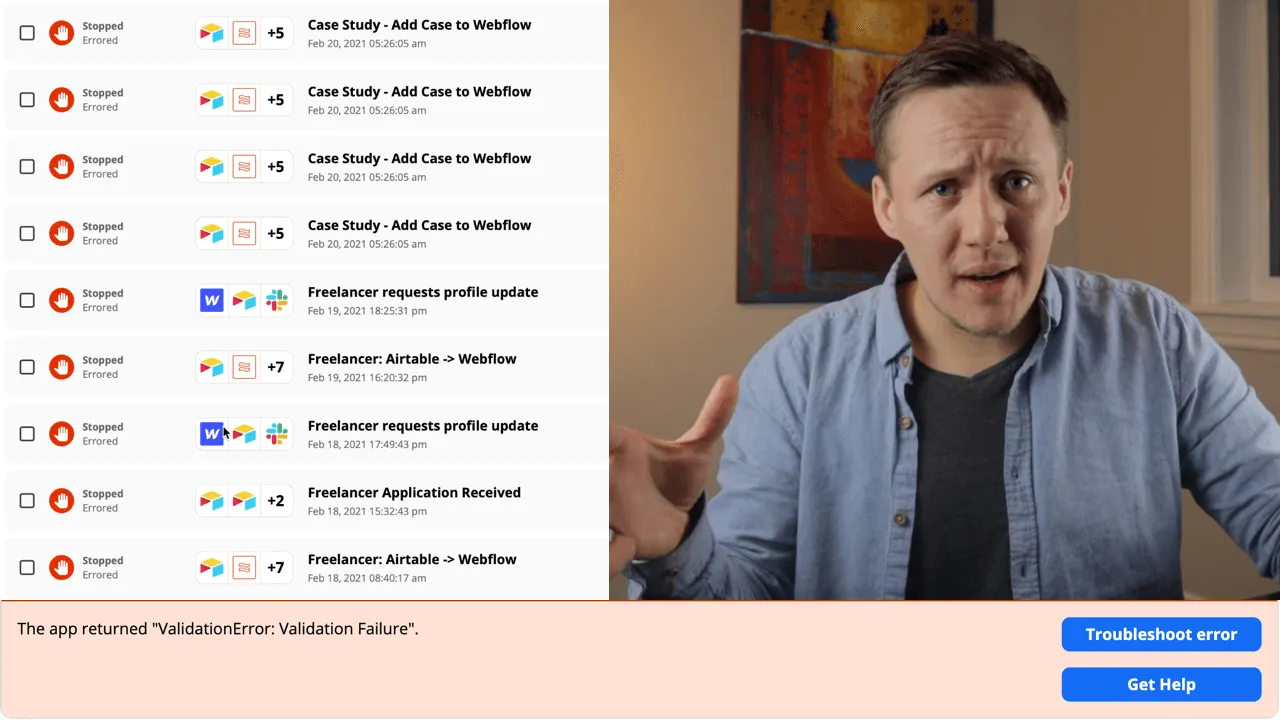
Tutorials|1 min read|Feb 21, 2021
A Guide To Webflow CMS Errors
Tutorials|1 min read|Feb 17, 2021
How To Verify Emails For Your Membership Site

Tutorials|Feb 14, 2021
How To Build A Social Media Post Generation Workflow

Tool Reviews|1 min read|Feb 9, 2021
Parabola: How To Bulk Update Your Data Across Platforms